
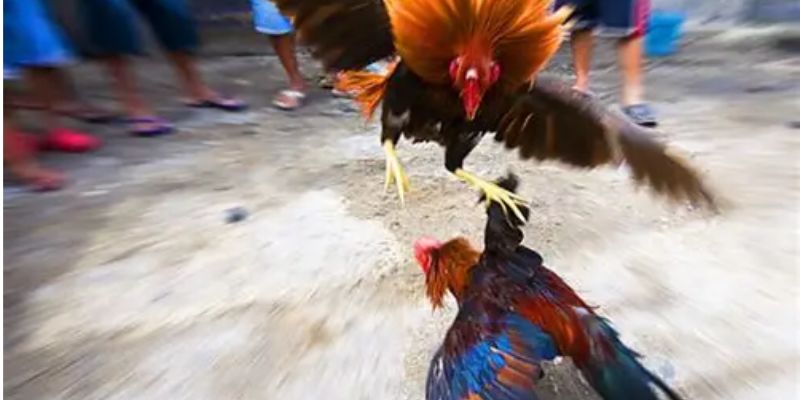
Traditional Cockfighting Culture has existed for thousands of years, shaping festivals, storytelling, and community gatherings across Asia, Latin America, and parts of Europe. While the practice today is widely debated, its historical presence remains deeply rooted in rural traditions and local identity. Understanding Traditional Cockfighting requires viewing it through the lens of anthropology, community life, and cultural transmission rather than modern competitive interpretations. In recent years, even online communities and general discussion platforms such as Taya365 have referenced the topic from a cultural and historical perspective, reflecting continued public interest in its origins and evolution.
Origins of Traditional Cockfighting Culture
Archaeological evidence and ancient writings indicate that Traditional Cockfighting Culture began in Southeast Asia, spreading along trade routes to India, Persia, and the Mediterranean. Early communities viewed roosters as symbols of courage, vigilance, and masculine strength. The practice was woven into seasonal rituals, New Year celebrations, and harvest festivals, reflecting the agricultural lifestyle of early societies.
Farmers raised gamefowl not only for sport, but as a valued part of village heritage. Traditional Cockfighting also influenced folklore, spiritual ceremonies, and warrior symbolism, with roosters appearing in legends, family crests, and ancient paintings.
Cultural Significance Around the World
Southeast Asia
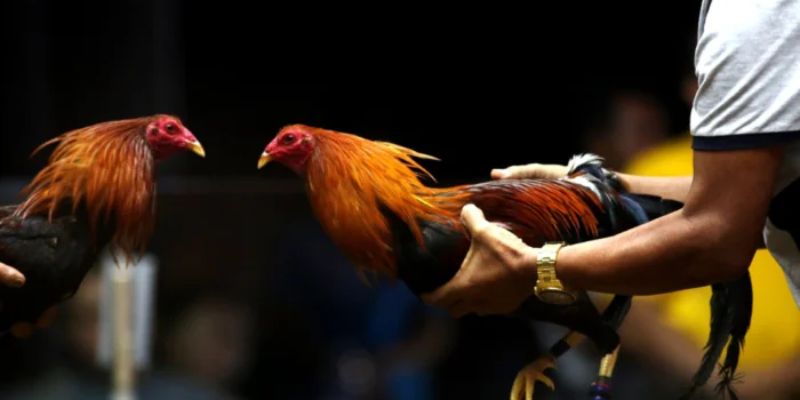
Countries like Vietnam, Thailand, and the Philippines maintain a deep historical connection to Traditional Cockfighting Culture. It has appeared in temple festivals, countryside gatherings, and cultural stories passed down through generations.
Latin America
In Mexico, Cuba, and the Dominican Republic, Traditional Cockfighting is intertwined with family traditions. Breeding gamefowl is often seen as a heritage craft, and communities emphasize lineage knowledge and animal care techniques.
South Asia
India and Sri Lanka preserve Traditional Cockfighting Culture through ritual events tied to regional festivities, especially in rural provinces where ancestral customs still shape daily life.
Across these regions, the practice historically served as a community pastime, strengthening friendships and encouraging storytelling among village members.
Modern Transformation
Today, Traditional Cockfighting Culture has evolved significantly due to shifting ethical standards and legal frameworks. Many communities no longer host competitive events but instead focus on cultural preservation. Exhibitions, heritage festivals, and educational programs now highlight the history, symbolism, and craftsmanship of gamefowl breeding without promoting harmful activities.
Documentaries, digital archives, and academic research also help ensure that Traditional Cockfighting remains accessible to future generations in a responsible and humane manner. This modern approach protects animals while enabling people to appreciate the anthropological value of the tradition.
Legal and Ethical Perspectives
Regulations surrounding cockfighting differ widely across the world:
-
Completely prohibited in most Western countries
-
Partially permitted under cultural exemptions in certain Asian and Latin American regions
-
Strictly regulated where Traditional Cockfighting Culture is considered heritage
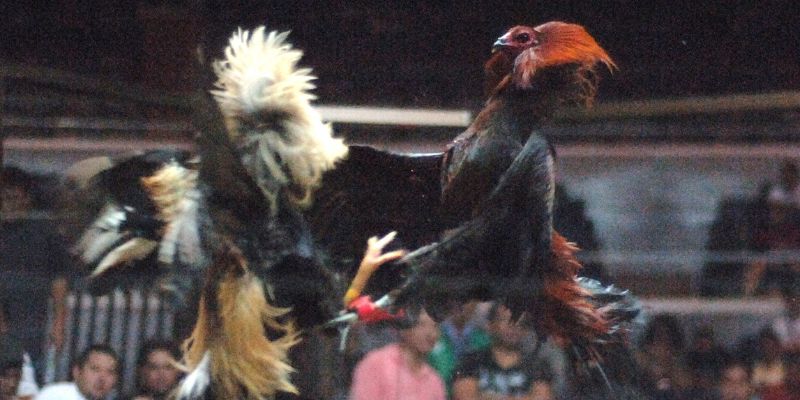
These laws reflect broader discussions about animal welfare, cultural rights, and historical preservation. For many scholars, studying Traditional Cockfighting provides insight into community structures, rural life, and pre-modern entertainment without endorsing harmful practices.
Ethically, many communities now shift toward non-violent ways of preserving tradition, such as historical displays, gamefowl exhibitions, and cultural education programs.
Preserving Traditional Cockfighting in Modern Society
To protect cultural heritage while aligning with modern values, experts recommend documenting:
-
Ancient techniques of gamefowl care
-
Folklore and stories related to roosters
-
Village customs and festivals
-
Symbolic roles of roosters in local spirituality
-
Traditional breeding practices
-
Family histories tied to the tradition
Museums, cultural centers, and universities play a major role in archiving Traditional Cockfighting. These institutions help preserve its anthropological importance without engaging in harmful activities.
Digital innovations—such as virtual museums and multimedia archives—also support the preservation of Traditional Cockfighting by making it accessible for educational research worldwide.
The Future of Traditional Cockfighting
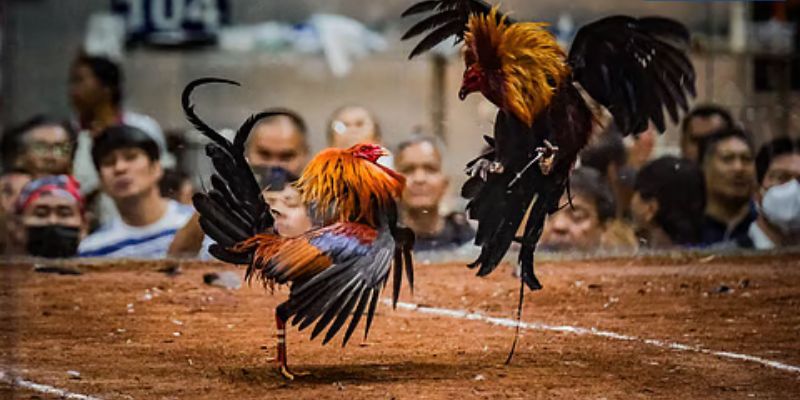
As society continues to evolve, Traditional Cockfighting Culture faces both challenges and opportunities. Although competitive matches may decline due to ethical concerns, the cultural heritage surrounding the tradition remains rich and meaningful. By focusing on education, history, and responsible preservation, communities can ensure that Traditional Cockfighting continues to be understood, studied, and respected in a modern world.
The future of this cultural tradition lies not in competition, but in heritage preservation—allowing people to explore cultural roots while protecting animal welfare and embracing contemporary values.
Conclusion
Traditional Cockfighting Culture like 8k8 is a historical legacy that shaped community identity, seasonal celebrations, and rural storytelling for centuries. Even though modern ethical standards reshape how societies view the practice, its cultural roots remain valuable for understanding human history and regional traditions. By preserving Traditional Cockfighting through documentation, research, and non-harmful demonstrations, communities can celebrate their past while creating a responsible and meaningful future.




