

The digital entertainment industry has grown at an extraordinary pace over the last decade, and competitive gaming now stands at the center of global attention. From massive international tournaments to regional leagues, millions of fans tune in daily to watch elite players compete in titles like League of Legends, Counter-Strike 2, and Dota 2.
Alongside this explosive growth, esports betting has emerged as one of the fastest-growing sectors in online wagering. New platforms and communities, including names like taya365, are introducing fans to innovative, data-driven, and interactive ways to engage with their favorite teams, players, and tournaments.

A large indoor stadium filled with spectators, giant LED screens showing a live League of Legends match, professional players seated on stage with team branding and bright lighting effects, dynamic camera angles, and a vibrant championship atmosphere.
What Is Esports Betting?
Esports betting refers to placing wagers on the outcomes of competitive video game matches and tournaments. Similar to traditional sports wagering, users can bet on match winners, map scores, tournament champions, handicap lines, total rounds, and even specific in-game events such as first blood or total kills.
However, esports betting differs from traditional sports betting in several important ways:
-
Matches can be extremely fast-paced, especially in FPS titles
-
Meta changes frequently influence team strategies and outcomes
-
Teams evolve quickly due to roster adjustments and transfers
-
Online vs LAN performance can vary significantly
-
Patch updates can dramatically shift competitive balance
Because of these variables, esports betting requires adaptability, research, and real-time awareness of the competitive ecosystem.
Live Esports Betting: A Growing Trend
One of the most exciting developments in esports betting is live wagering. In-play markets allow users to place bets while a match is ongoing, reacting instantly to momentum shifts, economic rounds, draft advantages, or strategic pauses.
Live esports betting offers:
-
Real-time odds adjustments
-
Micro-markets such as next round winner
-
Fast settlement times
-
Dynamic betting opportunities
The rapid pace of games like Counter-Strike 2 and League of Legends makes live markets particularly attractive for experienced bettors who understand map control, economy management, and power spikes.
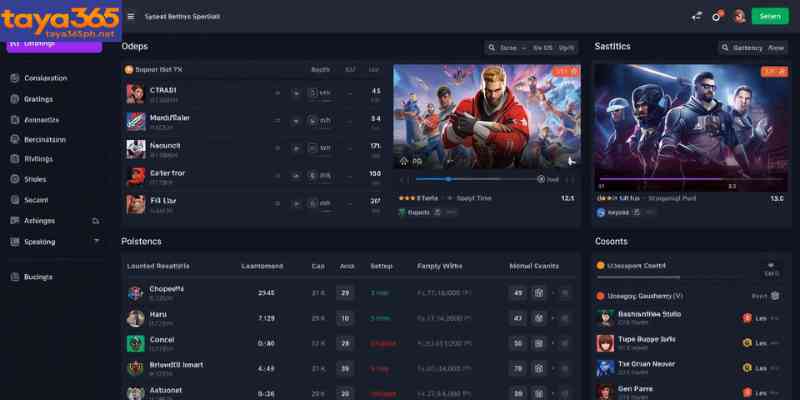
A laptop or desktop screen showing a live Counter-Strike 2 match with fluctuating odds, match timer, kill statistics, player economy indicators, and multiple betting markets displayed alongside the livestream.
Most Popular Esports Titles for Betting
Different esports games offer distinct betting dynamics, pacing, and analytical depth.
MOBA (Multiplayer Online Battle Arena)
-
League of Legends – Strategic drafting, macro play, and objective control are key factors.
-
Dota 2 – High mechanical skill ceiling and unpredictable late-game swings create volatile betting markets.
FPS (First-Person Shooter)
-
Counter-Strike 2 – Economy management, map pool depth, and clutch potential heavily impact outcomes.
-
Valorant – Agent compositions and utility coordination influence match tempo and tactical flexibility.
Each title requires a different analytical approach. Understanding the structure of best-of-three and best-of-five series is also essential when building a long-term esports betting strategy.
How to Analyze Esports Matches Effectively
Successful esports betting requires research, discipline, and structured evaluation. Rather than relying solely on intuition, experienced bettors focus on measurable performance indicators and contextual insights.
Essential analytical factors include:
1. Team Form and Momentum
Recent match results, tournament progression, and confidence levels significantly affect performance.
2. Head-to-Head Records
Some teams consistently outperform specific opponents due to stylistic advantages.
3. Patch Updates and Meta Shifts
Game updates can buff or nerf strategies, heroes, weapons, or agents, influencing competitive balance.
4. Player Roster Changes
New signings may improve synergy or create short-term instability.
5. Map Pool Depth
In FPS games, strong map veto strategies can determine the entire series outcome.
Experienced bettors sometimes compare analytical insights across different communities such as phdream to evaluate odds structures more efficiently and refine their predictive models.

Five professional players wearing headsets seated at gaming PCs, coach standing behind them reviewing tactics before a major Dota 2 tournament match, tactical notes displayed on screen, and team branding visible on jerseys.
Advanced Strategies for Experienced Bettors
As the esports betting market matures, more advanced strategies are emerging. These include:
Value Betting
Identifying discrepancies between implied probability and actual statistical likelihood.
Bankroll Management
Setting strict unit sizes and avoiding emotional wagering during high-volatility matches.
Market Specialization
Focusing on one title, region, or league to build deeper expertise.
Data-Driven Modeling
Using performance metrics such as KDA ratios, win rates on specific maps, gold differential, or round conversion rates to build predictive frameworks.
Advanced bettors often rely on statistical dashboards and analytical tools to track long-term performance and identify profitable angles.
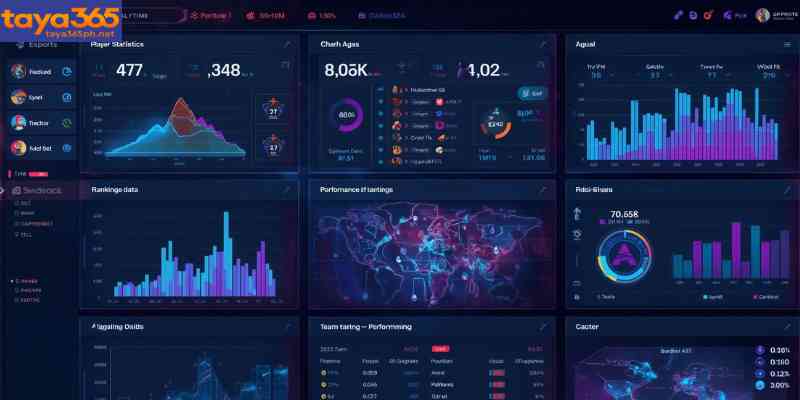
A modern data dashboard displaying win-rate charts, heat maps, map performance stats, player KDA ratios, economy efficiency graphs, and predictive probability models for competitive Counter-Strike 2 matches.
Responsible Esports Betting Practices
While esports betting offers entertainment and potential profit opportunities, responsible participation is essential for sustainable engagement.
Best practices include:
-
Setting clear deposit limits
-
Avoiding chasing losses
-
Keeping wagering separate from essential finances
-
Taking regular breaks
-
Viewing betting primarily as entertainment
Educational resources and structured frameworks can also be found through informational hubs such as phdreamm.org, which provide general guidance on responsible engagement, risk awareness, and long-term betting structure.
The Future of Esports Betting
Looking ahead to 2026 and beyond, esports betting is expected to become even more integrated with streaming platforms, data analytics, and mobile-first user experiences. Artificial intelligence tools, real-time stat feeds, and blockchain-based transparency systems may further reshape how bettors interact with markets.
As global tournaments continue to expand and new competitive titles enter the scene, esports betting will likely remain one of the most innovative and fast-evolving segments of the digital wagering landscape.
For participants willing to invest time in research, strategic thinking, and responsible practices, esports betting offers a dynamic, skill-based, and highly engaging way to connect with the competitive gaming world.




